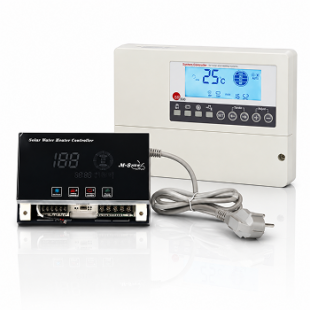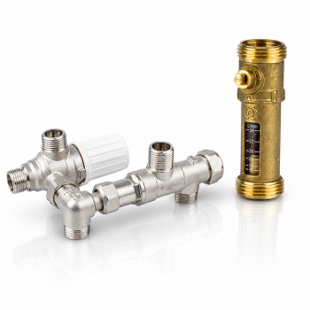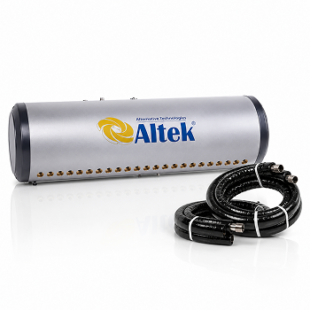


A solar thermal system is a set of equipment that converts solar radiation into thermal energy for water heating or space heating. Unlike solar panels that generate electricity, a solar thermal system works directly with heat. A solar thermal system for home heating and hot water production is a cost-effective solution for Ukraine in today’s conditions.
Solar Thermal System: What It Is and How It Works
The core component of a solar thermal system is a solar collector. It absorbs solar radiation and transfers heat to a heat-transfer fluid (water or antifreeze glycol) circulating through the system.
The heated fluid transfers its energy to a storage tank – a water heater or a buffer tank.
The efficiency of a vacuum tube collector reaches 70–80%. For comparison, a solar panel converts only 20–23% of solar energy into electricity. For water heating and space heating applications, a solar thermal system is more cost-effective than photovoltaics.
Solar Thermal Systems for Water Heating and Home Heating
Solar thermal systems can solve different tasks and are often combined into a single installation. For example, a domestic hot water (DHW) solar thermal system is the most common option. The collector heats water in a 150–300-liter storage tank. During summer, a family of four can be fully supplied with hot water without using gas or electricity. During spring and autumn, the system covers 50–70% of demand, while a boiler provides the remaining heat.
A solar thermal system for home heating is a more powerful configuration with a 500–2000-liter buffer tank and multiple collectors. It can cover 30–50% of heating demand during the heating season. It operates most efficiently when combined with a heat pump or a condensing boiler.
For Ukraine, a good design estimate is that 1 m² of collector area provides 50–80 liters of hot water per day during summer at solar irradiation levels of approximately 5–6 kWh/m² per day.
Types of Solar Thermal Systems and Their Applications
The two main types of collectors differ in design and operating temperature range.
- Flat-plate collectors. The heat-absorbing panel is covered with glass inside a metal casing. The heat-transfer fluid temperature reaches up to 80–90°C. They feature a simple design, lower cost, and perform well under high solar irradiation. For domestic hot water during the warm season, they are an optimal choice.
- Vacuum tube collectors. Each tube acts as an individual thermos with vacuum insulation. Heat losses are minimal, and operating temperatures can exceed 120°C. They are effective year-round, including during cloudy weather and low ambient temperatures. For heating applications, they are the preferred option.
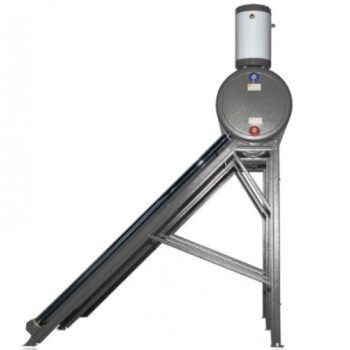
Based on circulation type, systems are divided into forced-circulation systems (pump + controller) and thermosiphon systems (the tank is located above the collector, allowing natural circulation). Forced-circulation systems provide greater installation flexibility because the tank can be placed almost anywhere.
How to Choose a Solar Thermal System for Your Home
The following factors determine the choice of a solar thermal system:
- Purpose: DHW only or DHW plus heating. A combined system requires a larger storage tank and collector area.
- Number of occupants. The standard recommendation is 1.5–2 m² of collector area per person for DHW. For heating systems, the required area is calculated based on the building’s heat losses.
- Roof type and orientation. The optimal installation angle is 35–45° relative to the horizon, facing south. A deviation of up to 30° is acceptable without significant performance loss.
- Heat-transfer fluid type. In regions where temperatures drop below –15°C, an antifreeze fluid based on propylene glycol must be used.
If a solar thermal water-heating system is installed together with solar PV panels, plan the roof area in advance: both technologies require southern exposure and should not cast shadows on each other.
Buy a Solar Thermal System at Altek.ua
Altek.ua offers a wide range of flat-plate and vacuum tube collectors, storage tanks, and components for assembling solar thermal systems for domestic hot water and heating applications. Our warehouses are located in Kyiv and Dnipro, with delivery available throughout Ukraine.
To buy a solar thermal system or request a system cost calculation for your property, submit a request on the website or contact one of our managers. Altek specialists will select the appropriate collector type, tank capacity, and connection scheme based on your energy consumption and roof characteristics.
Bestsellers in Heliopower systems





Showing 1–12 of 162 results