


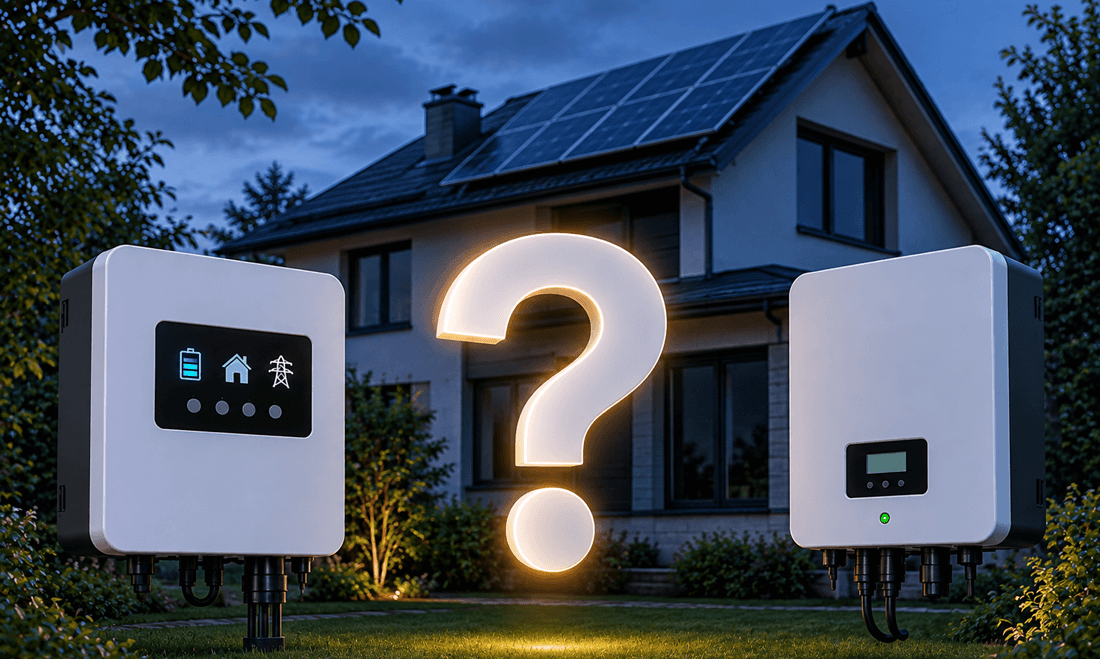
When power outages are frequent, the choice of inverter affects not only the financial benefits of a solar power system but also how the home will operate in an emergency. One option is designed primarily to work with the utility grid, while the other can create a separate backup circuit and use a battery (battery storage system). Therefore, it is better to start the selection process with the intended operating scenario rather than the equipment price.
What Is the Difference Between a Grid-Tied Inverter and a Hybrid Inverter?
A grid-tied inverter operates as long as the external grid at the point of connection maintains normal operating parameters. During this time, the solar power system (SPS) reduces the amount of electricity the home draws from the grid, while any surplus can be accounted for according to the scheme specified in the project.
A hybrid inverter offers broader functionality. It can coordinate several power sources: PV modules, a battery, and the grid. If it has a backup output, part of the home’s electrical wiring can be assigned to a separate circuit and kept powered even when the incoming grid supply is interrupted.
Will a Solar Power System Work During a Power Outage?
For a conventional grid-tied solar power system, the answer is usually no. After a fault occurs in the external grid, the inverter stops supplying power to the home’s electrical network, even though the panels themselves may continue generating DC electricity. This shutdown is built into the equipment’s safety algorithm.
A hybrid system can operate differently. For example, the backup circuit may include a refrigerator rated at 120–180 W, a router rated at 10–20 W, a circulation pump rated at 60–100 W, and several LED lights. Their combined operating load may remain below 0.5 kW, so there is no need to provide backup power for the entire house.
Hybrid or Grid-Tied Inverter: Comparing the Advantages and Disadvantages
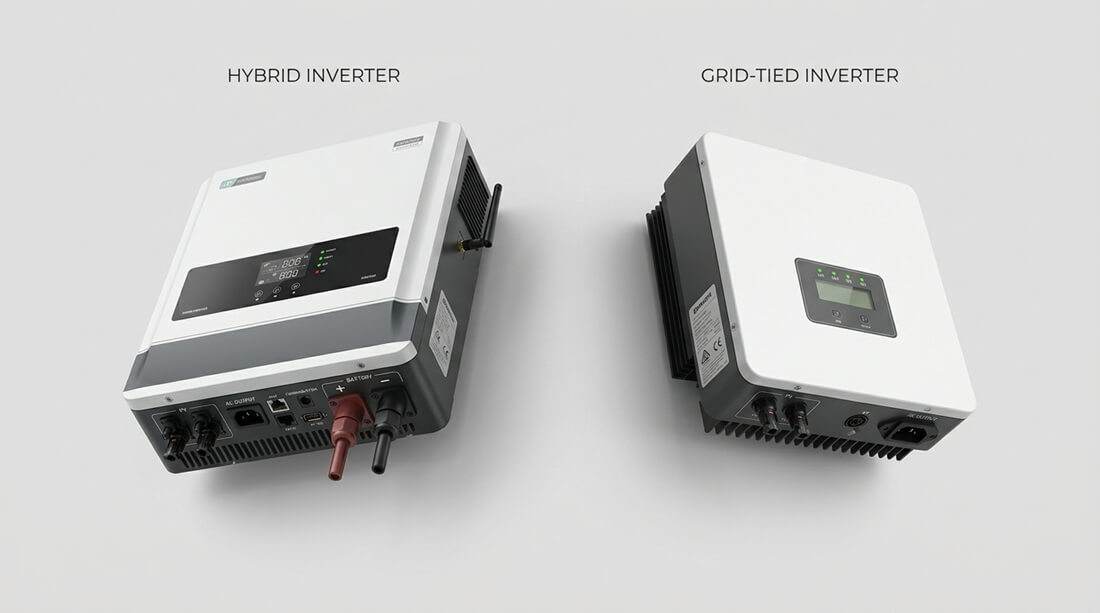
A grid-tied solution requires fewer components and is usually less expensive upfront. It is particularly suitable when most electricity is consumed during daylight hours and outages are rare and short.
A hybrid system is more complex and expensive, but it makes it possible to shift some of the electricity generated during the day to the evening and provide backup power for selected circuits. The additional costs are mainly associated with the battery, switching equipment, and more complex system configuration.
Which Inverter Should You Choose for a Home with Frequent Power Outages?
When outages occur regularly, you should calculate the load of the backup circuit rather than the total power consumption of all appliances. For example, if critical loads require 1.8 kW simultaneously, there is no need to automatically select an inverter based on the home’s entire contracted power capacity. Short-term starting loads from the refrigerator, pump, and other motor-driven appliances should also be checked separately.
If the grid is reliable and the goal is to reduce daytime electricity imports, a grid-tied inverter remains a cost-effective solution without the expense of an energy storage system.
Do You Need Batteries for a Hybrid Inverter?
Some hybrid inverter models can start up without a battery, but they cannot provide full energy independence in this mode. For backup power, the battery capacity is calculated based on the average load and the desired operating time.
For example, a load of 0.6 kW operating for 6 hours will require 3.6 kWh of usable energy. The nominal battery capacity must be higher because some of the stored energy is unavailable due to the permitted depth of discharge and conversion losses.
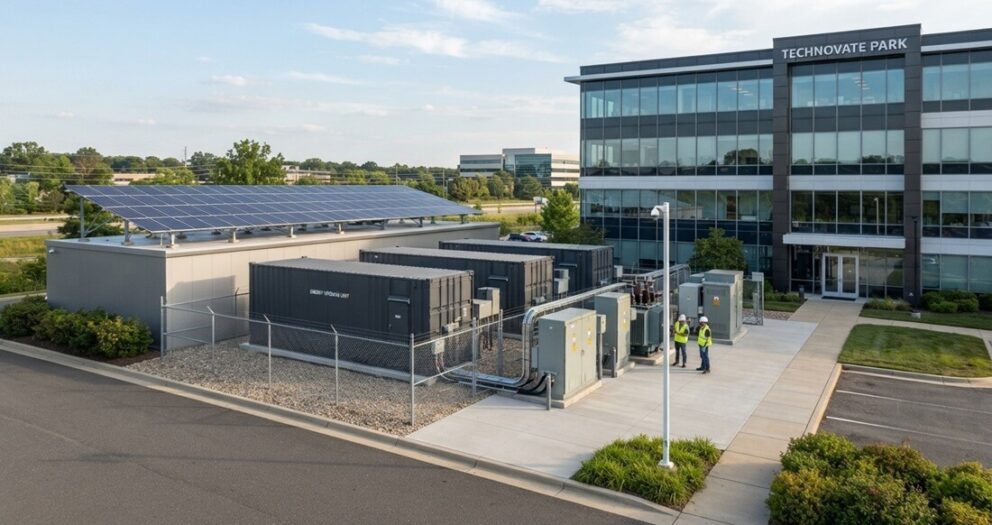
Larger projects use a Battery Energy Storage System (BESS). Combined with Net Billing, such a system can first store some of the solar power system’s daytime surplus and use it later instead of immediately exporting all excess generation to the grid. This makes it possible to distribute self-generated solar energy more flexibly between consumption, storage, and export.
Conclusion: Which Inverter Is Best for a Home with an Unstable Power Supply?
For a home that experiences regular power outages, a more practical approach is to build the system around a hybrid inverter, a battery, and a predefined backup circuit. This makes it possible to avoid oversizing the equipment and use the stored battery energy only for essential appliances.
If the grid is stable and backup power is not required, a grid-tied inverter is simpler and less expensive. The final choice depends on the nature of the outages, hourly electricity consumption, and the number of hours of autonomous operation the home actually needs.


Your email address will not be published. All fields are required